
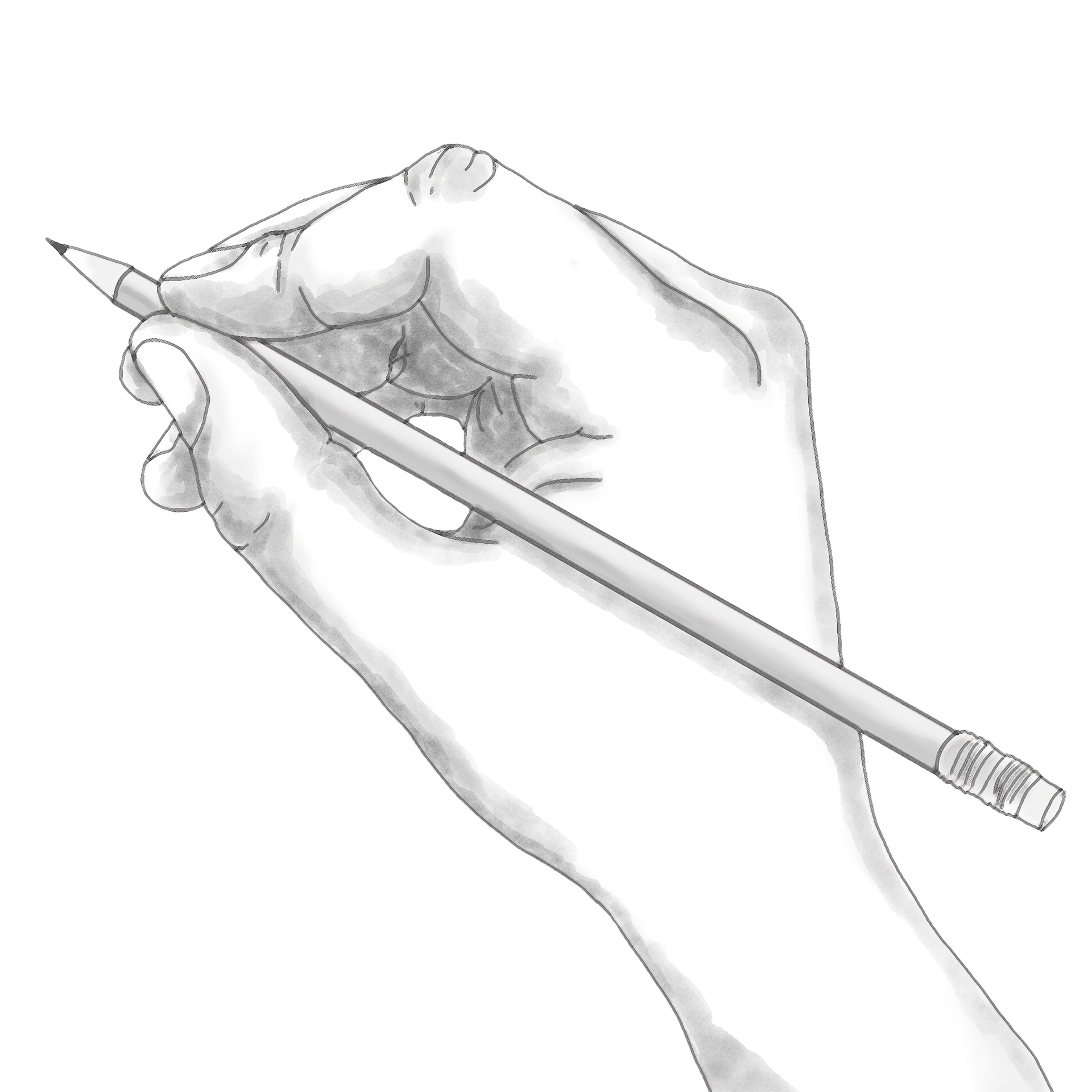
 In creating – anything- we have choices. We have choices in the medium we chose to work in and the materials we chose to work on. We have choices of color, contrast, mode, form, texture or type. Creating something always involves making choices. As we get older and try and fail and try and fail and try and fail we get an idea of how to make better choices for achieving the ends we desire.
This is part of the maturity process, and is reflected in the wisdom we gain experience through living life.
In building a creative lifestyle, we also make choices and often times it is a matter of which priority will actually take priority at any given moment. In this moment, will I do the responsible thing by faithfully recording my financial expenses or will I continually duck this responsibility until tax season when I need to know what write offs I can take? Hmmm… still not sure about that one?
I know. Nothing about taxes seems creative, right? But not maintaining them can seriously hamper those acts of pure creation. For me, when I spend too much time in the minutae of living – i.e. – taking care of finances, I get bogged down and bummed out. Depression sets in because the harkening for expression has not been answerable for days or weeks on end. I’ve been dealing with piled on responsibilities. Thus, I’ve found it’s better to take the five or ten minutes at a time to take care of the numbers one little receipt (or two or three,) as opposed to letting those receipts pile up for a year until working my way through it feels as daunting as scaling Mt. Kilamanjaro.
The point is that in the same way we have choices in the things we create, our choices dictate the life we create. In this, I may be stating the obvious, but what is not so obvious is how to ensure the choices we make actually create the life we want. In truth, we only have so much control over this, and often it is less control than we realize.
Consider that stack of unread books. We all have them, either stored neatly on a shelf – or- in my case, stuffed every which way possible to maximize storage space. As of this moment, the majority of those books are unread. Over half of them are *not* fiction books. These were bought with the best of intentions – to expand my practical or spiritual knowledge, grow in enlightenment, develop a new skill, become a generally all-around more useful human being.


And yet… all they’ve done is become a breeding ground for dust bunnies. *Sigh* I know I am not alone in this, but I feel obligated to examine the decisions I’ve made which resulted in me being the proud owner of a dust-bunny farm rather than a cultivated mind.
I’ve discovered there is a difference between liking the idea of doing something and actually doing it. I like the idea of knowing more about 17th century French poetry. I am not keen on the idea of learning French in order to do so. For this reason, I’ve begun to see the purchase of books as a form of commitment. Am I willing to commit the time it takes to read, understand and apply what this book has to present to me? Very very rarely, I’m finding, is the answer yes. On those occasions where the answer is yes, I’ve found myself returning to those tomes time and time again.
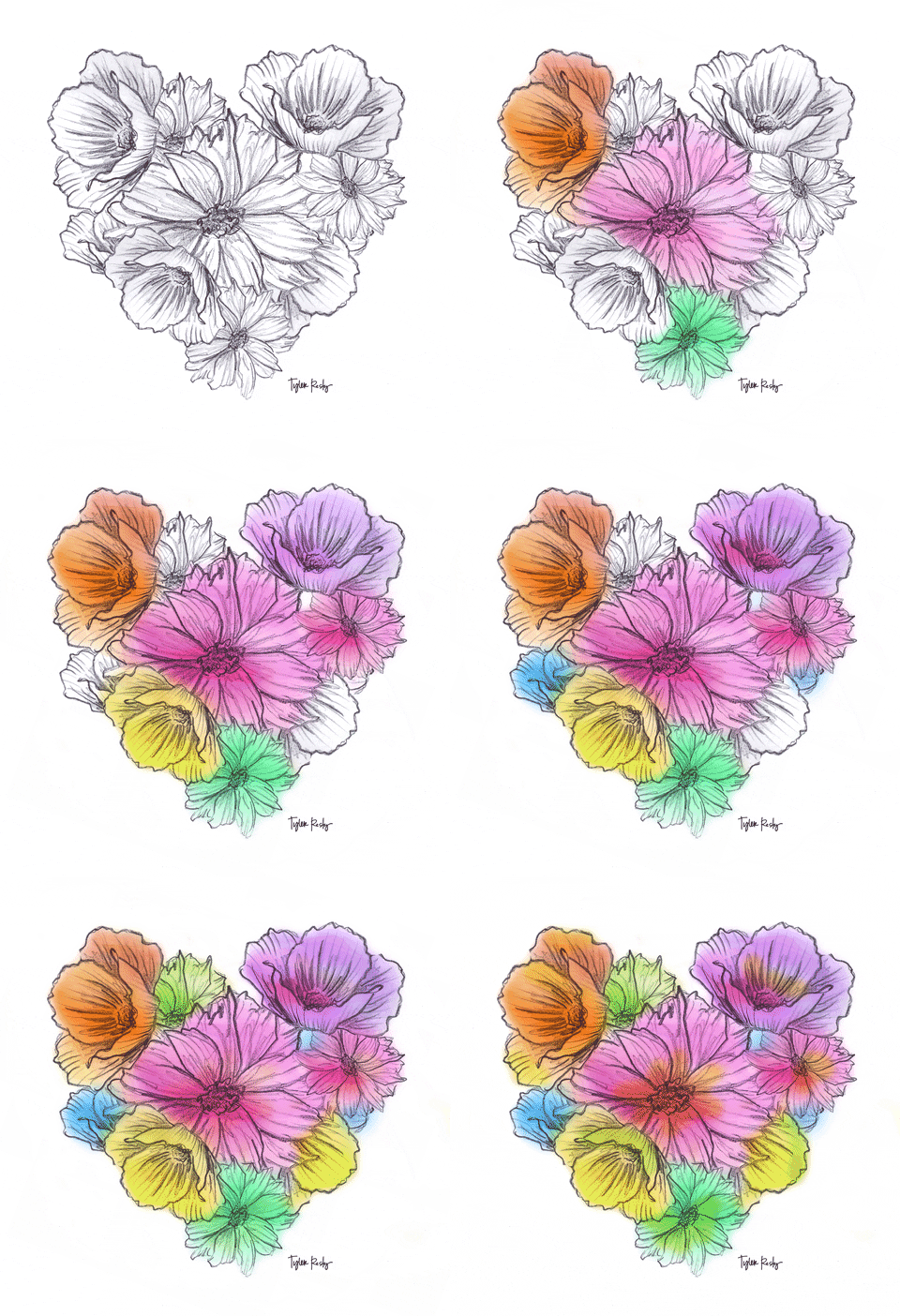
The nice thing about choices is that, for the most part, they can be reversed. Very few choices are of such a hard and fast nature that they can’t be reconsidered and our efforts refocused into a direction which is more in line with what we would like our life experience to be. Often, decisions are made based on what things might look like, especially to others, but I think a better criteria is “What experience will this create?” Simillarly, a good question is “What experience will this allow for or support?” A life that looks chaotic, but feels peaceful is much preferred over the one that looks peaceful, but is actually chaotic. Even better is the life that both looks and is peaceful. In pursing a creative life-style – i.e. a lifestyle that supports personal expression as a reflection of the God who is Creator – it is important to remember that our choices, especially the small and meaningless choices we make everyday are the equivalent of the singular penstrokes that culminate in a deeply moving, highly detailed portraiture and our lives become a work of art.
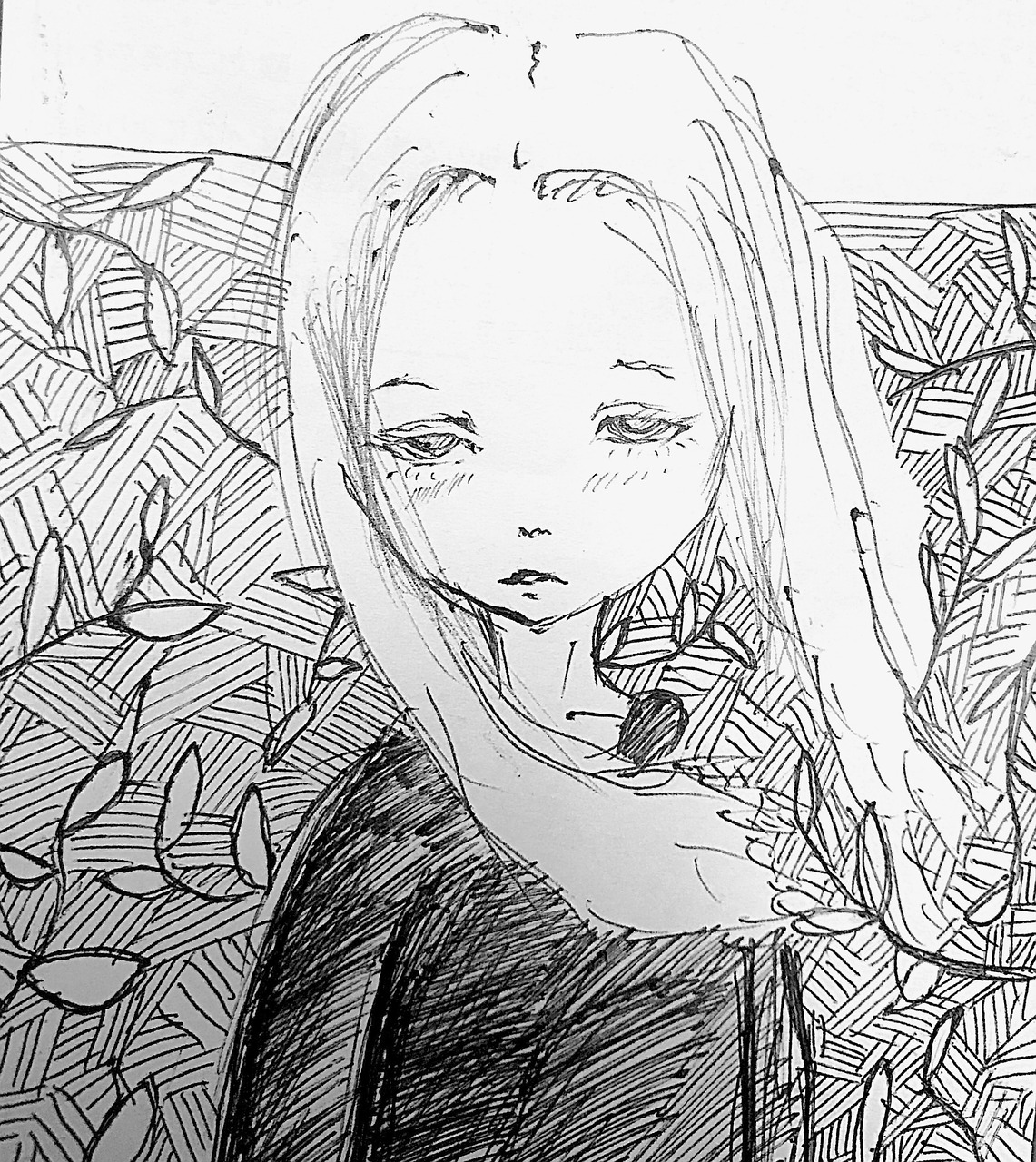 “You have to forgive yourself.” Every time some version of this raises its’ false, misleading and ugly head in popular media, I roll my eyes and sigh. This advice, usually from one well-meaning character to another, is literally impossible for human kind to do. It’s offered as a platitude that is meant to be helpful, but is ultimately harmful. It reveals the speaker (or writer of the characters’ words) has absolutely no idea exactly what forgiveness actually is.
 A guilty conscience is the result of violating the moral code imbued into our soul at creation. That code includes the big things-don’t murder, don’t steal, etc. As we make our way through life, that code goes through refinement, but it always reflects our judgements of our actions towards other people. If we feel guilty, my fellow humans, it is because we have injured (or believe we’ve injured) another person. They don’t even have to know about the injury for us to feel guilty over it.
 Guilt and forgiveness are complex issues, and more will be written on this top. For now, let’s agree that our guilt should lead us to seek forgiveness from those we’ve actually injured, rather than try to convince ourselves that our bad behavior is really okay. The exception to seeking forgiveness from others would be if doing so added to the injury they suffered. Seeking forgiveness can ultimately lead to better relationships and deeper bonds of respect and affection between all parties uninvolved, so stop trying to forgive yourself
  Walk on Earth a Stranger does not disappoint.
 You may be asking yourself “what is a writing pedigree?”
 To ensure this point is a clear as I can make it, I will step out of the writing sphere and draw an example from the world of composers. Mozart and Salieri were contemporaries of each other with Mozart being the younger of the two. Salieri has been depicted as being extremely envious of Mozart in plays beginning just six years after his death. Imagine, for a moment, what sort of composer Mozart would have become if Salieri had been his mentor. Perhaps Mozart would have emerged as the composer we know him to be today, but if the depictions of envy are to be believed, there would have been an impact on Mozart’s style, skill, perhaps even his confidence.

 Cadence McKinnon